13/02/2026 0 Comments
Lent Traditions and Church Teaching
Lent Traditions and Church Teaching
# News
Lent Traditions and Church Teaching
Hello, Have you given up anything for Lent yet? Be careful, I gave up meat for Lent nearly 40 years ago and haven't eaten it since!
If you think giving up meat, chocolate, wine etc. for nearly seven weeks is hard , spare a thought for the Christians from previous centuries who had a much harder time of it. The word Lent comes from Lencten, the Old English/German word for Spring or the Lengthening of Days. In the early days of the Church the forty days before Easter was a time of preparation, with fasting , prayer and alms giving. That period called Quadragesima (Fortieth) was used in the 4th Century by the Council of Nicaea in 325AD recognising Jesus's forty days in the desert. In consequence this period of fasting became the rule for most religious houses like monasteries, abbeys, convents and churches. Saint Thomas Aquinas made a list of forbidden foods and actions during Lent. Lent was tough in the Middle Ages...
1) Ash Wednesday and Good Friday were Black Fasts (no food at all).
2) Water was allowed, but because of the dubious purity of the water most people drank light beer(ale) or wine watered down!
3) No animal meat, fats or oils.
4) No eggs
5) No dairy, no milk, cream, butter cheese or yogurt.
The Lenten diet consisted of bread, vegetables and salt, with fish allowed if it was available. Not much different from the regular diet eaten by the poor. Many religious houses had their own fishponds or altered the course of streams to enable them to have a source of fish. Some used small rivers or streams to drive mills to grind the wheat,rye or barley to make bread. The food was normally eaten in one meal normally after sunset or Vespers, a time of prayer in monasteries. The meal began to be eaten earlier in the day, at Nones roughly 3pm. This was held as the time Jesus died and thus more holy. It must have been hard only to have the one sparse meal and gradually the Nones meal was eaten earlier at midday giving the new time Noon.
In 900 AD German Catholics were allowed to consume dairy products in return for payments and good works, like extending Church buildings; this was known as 'Butterbriefe'. Many Churches were partially built by the proceeds of such exemptions. One of the steeples of Rouen Cathedral in France is known as the Butter Tower.
This general prohibition of eggs and milk is perpetuated in the custom of blessing or making gifts of eggs at Easter, and the English custom of making pancakes on Shrove Tuesday, to use up the eggs and milk before Lent began the next day. Shrove Tuesday gets its name from people making confessions and being forgiven or Shriven of their sins.
The using up of meat, fats milk etc. was given the name Mardi Gras in France. I it means Fat Tuesday - today it sort of means a party atmosphere and was an excuse for a bit of light partying ,eating food that would not be allowed until Easter. Likewise in Italy, notably Venice, there is a period of Carnival activity until Ash Wednesday. The word Carnival is a derivative of Carne Vale 'Goodbye to Meat' again making a party connection before the solemnity of Ash Wednesday.
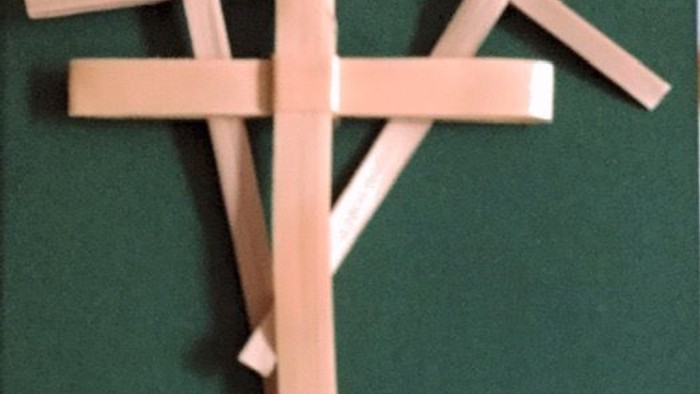
Ash Wednesday is the beginning of Lent. In our Church the Palm Crosses from the year before are burnt to fine ash. During the Mass the congregation comes forward to have the sign of the Cross put on their foreheads and they are told to remember they are dust and to dust they will return. This is called the Imposition of Ashes you can wash it off easily, but sometimes I used to get funny looks going home on the bus. However you spend Lent, think about actions that will help others, instead of giving up something you like for seven weeks, donate the money you would have spent on chocolate etc. to a good cause. This is a positive act of almsgiving, so eat the chocolate and the butter, but pray more and try to do good deeds. Perhaps Butterbriefe is a good idea; give it a go.
Barbara Liddell.

Comments